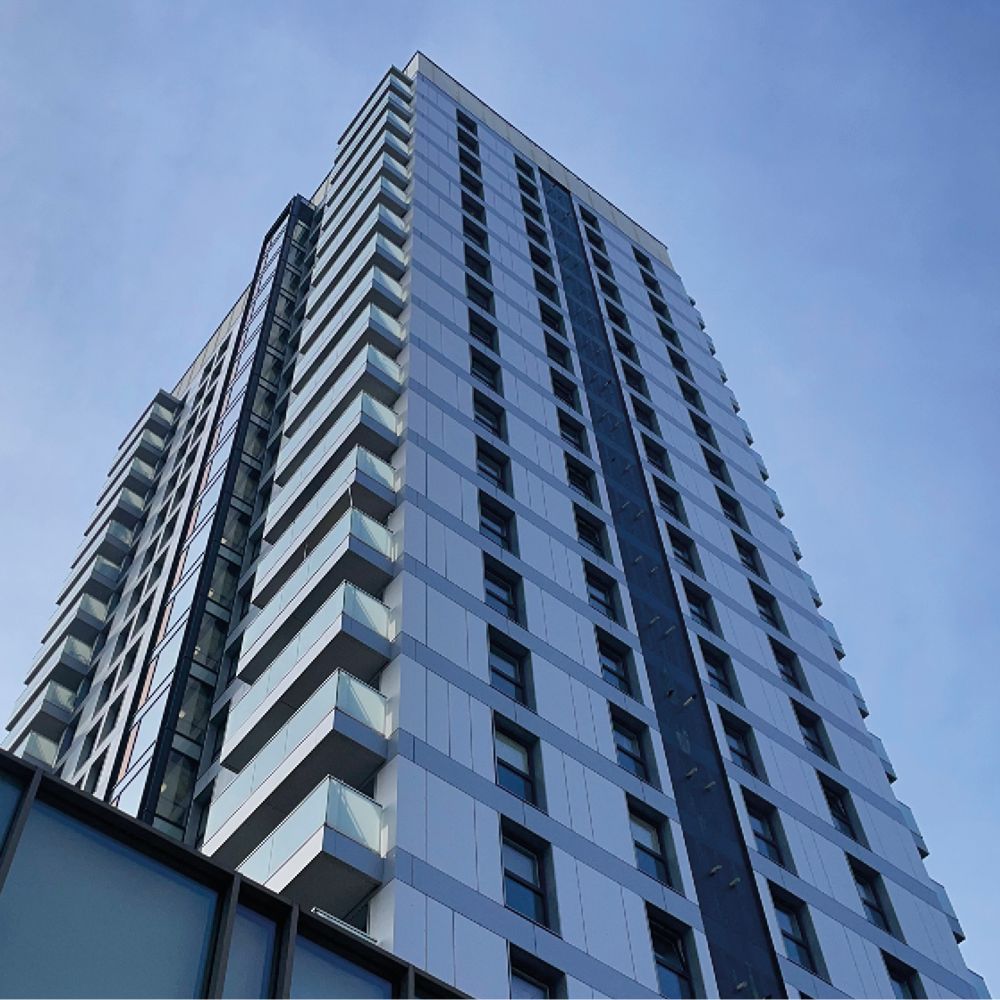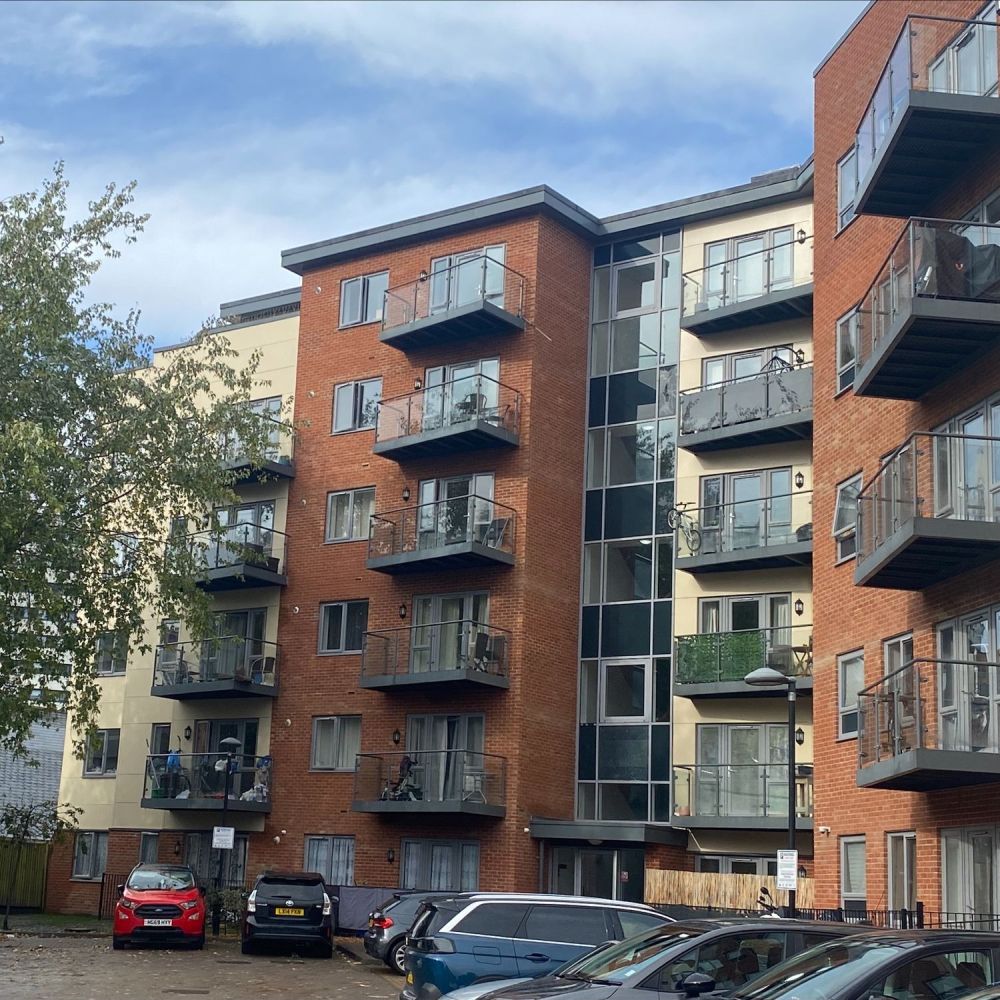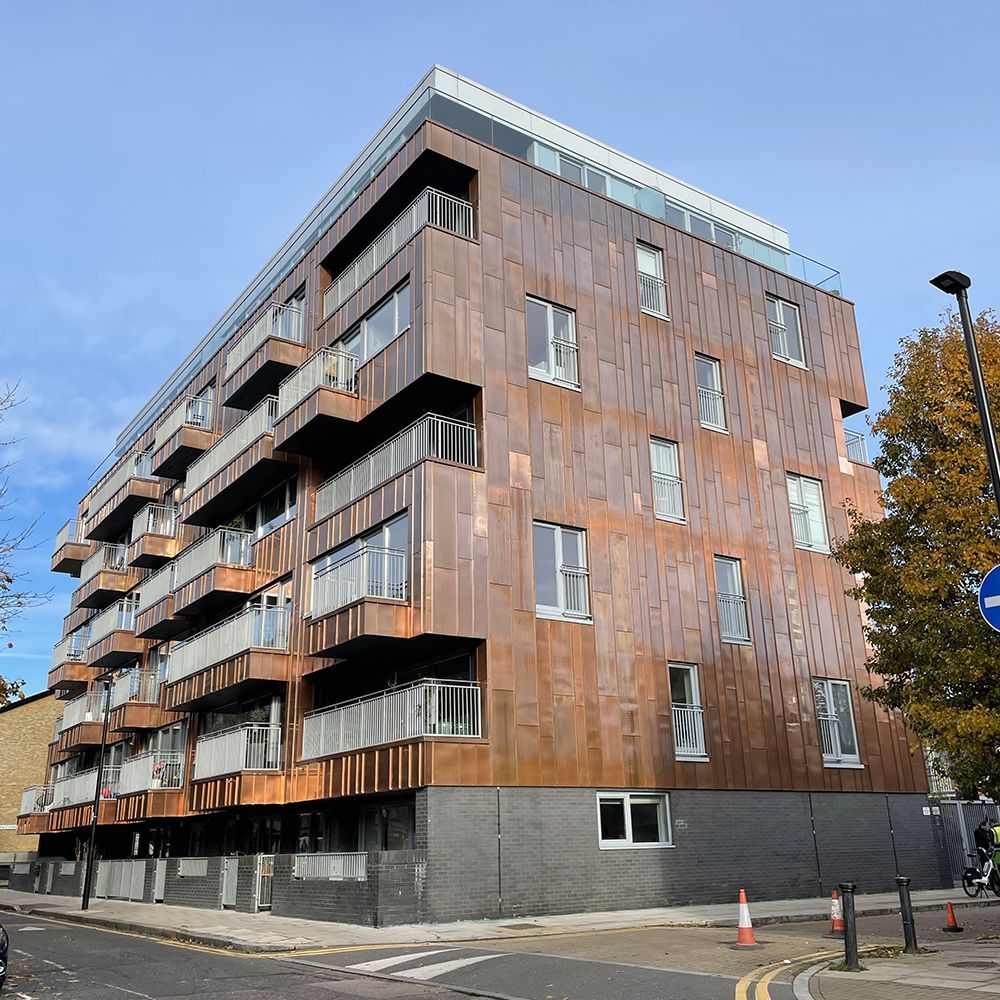

Discover Keegans' multidisciplinary role for the fire remediation of Turney's Court, Nottingham
See moreGet in touch


Thank you for getting in touch. We will be in contact shortly.
Turneys Court Apartments is a 19th-century former industrial building converted to residential use in 1981–82. The building comprises four interconnected blocks forming a single structure, providing 33 residential apartments arranged over 4–5 storeys, with garages at ground floor level. Each block is served by a single protected stairwell and a lift (not for use in the event of fire). The building has a height of approximately 12m to the topmost storey.
The remediation works were undertaken with residents remaining in situ, requiring careful coordination of health, safety, access, and fire risk management throughout the project.
Keegans was commissioned to undertake a Fire Risk Appraisal of External Walls (FRAEW) in accordance with PAS 9980:2022. Intrusive inspections were carried out at 16 locations across the elevations.
The assessment identified multiple external wall types with varying levels of fire risk:
Wall Types 1 & 2 – Low Risk
Wall Type 3 – High Risk
This wall type incorporated combustible materials and was assessed as high risk due to:
The configuration significantly increased the likelihood of rapid vertical fire spread, necessitating comprehensive façade remediation to achieve compliance with current Building Regulations
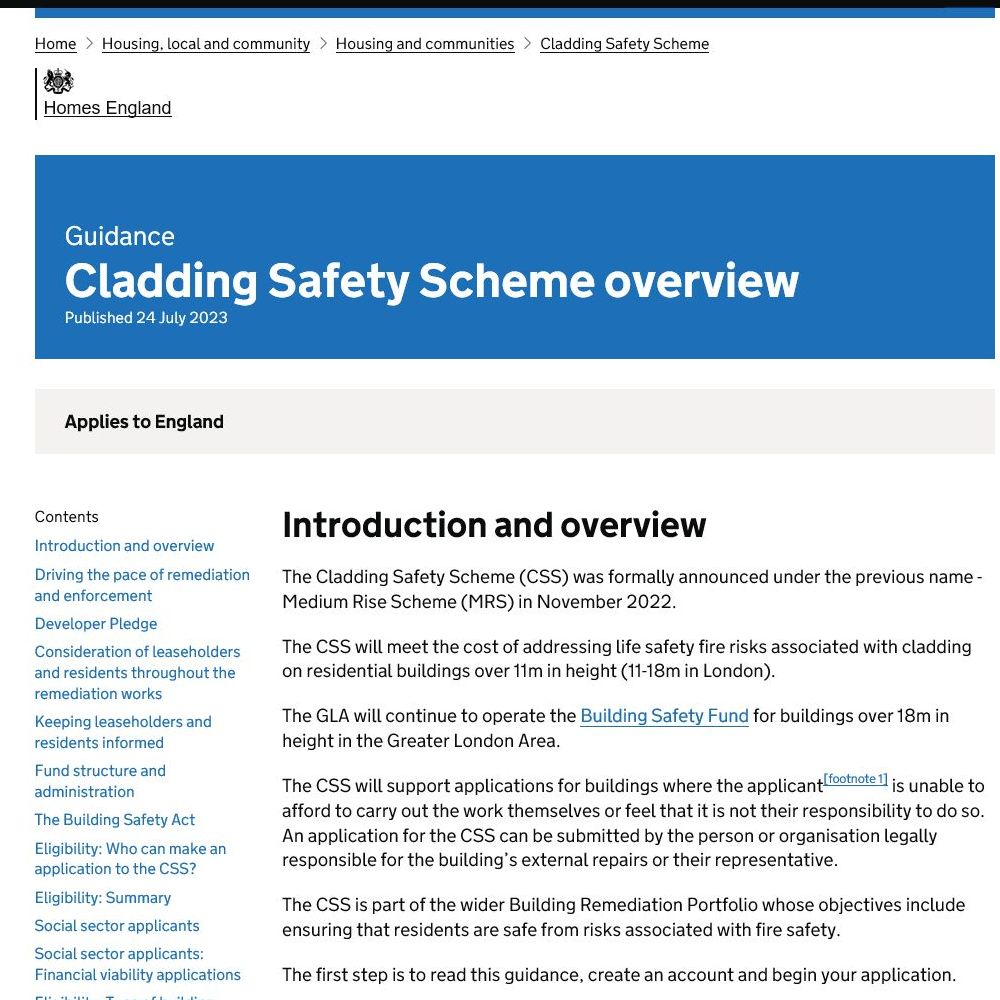
Working collaboratively with Encore Estate Management, Starfish Limited, and our sister company ECD Architects, Keegans supported the development and delivery of a compliant remediation strategy aligned with the UK’s Cladding Safety Schemes.
The agreed strategy focused on:
ECD Architects developed the RIBA Stage 4 technical design, informed directly by Keegans’ FRAEW findings and intrusive surveys, ensuring all combustible elements including cladding, insulation, membranes, boards, and timber battens were removed and replaced.
During delivery, a significant design change introduced enhanced fire protection measures beyond the original scope. Keegans coordinated closely with the wider consultant team to manage risk, maintain programme momentum, and ensure full regulatory compliance without compromising quality or resident safety.
Key works included:
Clerk of works inspections diaries/reports were provided for all works were undertaken ensuring that along with site records, robust record-keeping, including photographic evidence to support EWS1 and future building safety documentation.
Keegans provided an integrated, multi-disciplinary service throughout the project lifecycle:
Employer’s Agent
Quantity Surveying
Fire Engineering
Principal Designer (CDM)
Clerk of Works
This integrated approach enabled efficient decision-making, reduced interfaces between disciplines, and ensured consistent compliance across design and delivery.
Despite the technical and logistical challenges of working on an occupied residential building, the project was successfully completed, delivering:
The Turneys Court fire remediation project demonstrates Keegans’ capability to manage complex façade remediation projects within existing occupied residential buildings. Through technical expertise, collaborative working, and a proactive approach to fire safety risk, Keegans helped deliver a safer environment for residents while supporting the wider objectives of the UK’s cladding safety programme.
Services you may be interested in

Effective cost management is a vital component in all building projects, from feasibility studies and cost estimates to budget control and final cost assessments.
Our employer's agent services combine the experience of our project managers, contract administrators and cost managers.
Keegans have over 15 years of experience delivering Fire Safety services and providing Fire Risk Assessments
Our qualified team of Principal Designers and CDM Advisors are experienced Health and Safety professionals with varied construction backgrounds
We protect our Clients interests by ensuring building compliance via independent checking of works on site
Sectors we work in
This is a core sector for us, working for numerous local authorities, housing associations, private managing agents and developers, ensuring residents are at the heart of every project.
How do Multi-Disciplinary Teams work?
MDT working recognises the complex nature of higher-risk building work and the range of disciplines required. MDT members will be brought together to assess each application, whether initial building control approval, change control or completion certificate. The MDT will also be involved throughout the construction phase for inspections, interventions and assessments of further information. The inspection schedule will be agreed upon by the MDT, who will provide a lead contact for applicants throughout the process. The MDT will assess the completion certificate application alongside the ‘as built’ information submitted, including change control details. A completion certificate will only be issued where there is sufficient evidence that what was built meets the functional requirements of building regulations as agreed.
What classifies a building as a high fire risk?
A high fire risk building in the UK is a building that is subject to more stringent regulations and oversight due to the potential consequences of a fire. The definition of a high fire risk building depends on whether the building is in the design and construction phase or the occupation phase.
According to the Building Safety Act 2022 and the Higher-Risk Buildings (Descriptions and Supplementary Provisions) Regulations 2023.
A high fire risk building during the design and construction phase is a building that is at least 18 metres in height or has at least seven storeys and contains at least two residential units, a care home, or a hospital. However, some buildings are excluded from this definition, such as secure residential institutions, hotels, and military barracks.
A high fire risk building during the occupation phase is a building that is at least 18 metres in height or has at least seven storeys and contains at least two residential units. This definition excludes buildings that are regulated as workplaces under the Fire Safety Order, such as care homes, hospitals, secure residential institutions, hotels, and military barracks.
How do I determine if my building is a high fire risk?
There is no definitive answer to whether your building is a high fire risk, as different factors may affect the level of risk. However, you can use a fire risk assessment to evaluate the potential hazards and risks in your building and determine the appropriate measures to reduce them. A fire risk assessment is a legal requirement for all premises that the public has access to, as well as for businesses and blocks of flats.
Is the Principal Designer under the BSA the same as the CDM Principal Designer?
The Principal Designer under the BSA has a different role to that of the Principal Designer under CDM. There are some similarities of skills and approach between the two roles and both roles can be delivered by the same entity if the entity possesses suitable competencies for both. The Principal Designer Building Regulations must be appointed by the client and be checked to ensure they are competent to undertake the role.
Quayside Close, Nottingham, NG2 3BW
Residential (Non HRB - Higher-Risk Building)
14.08.2026
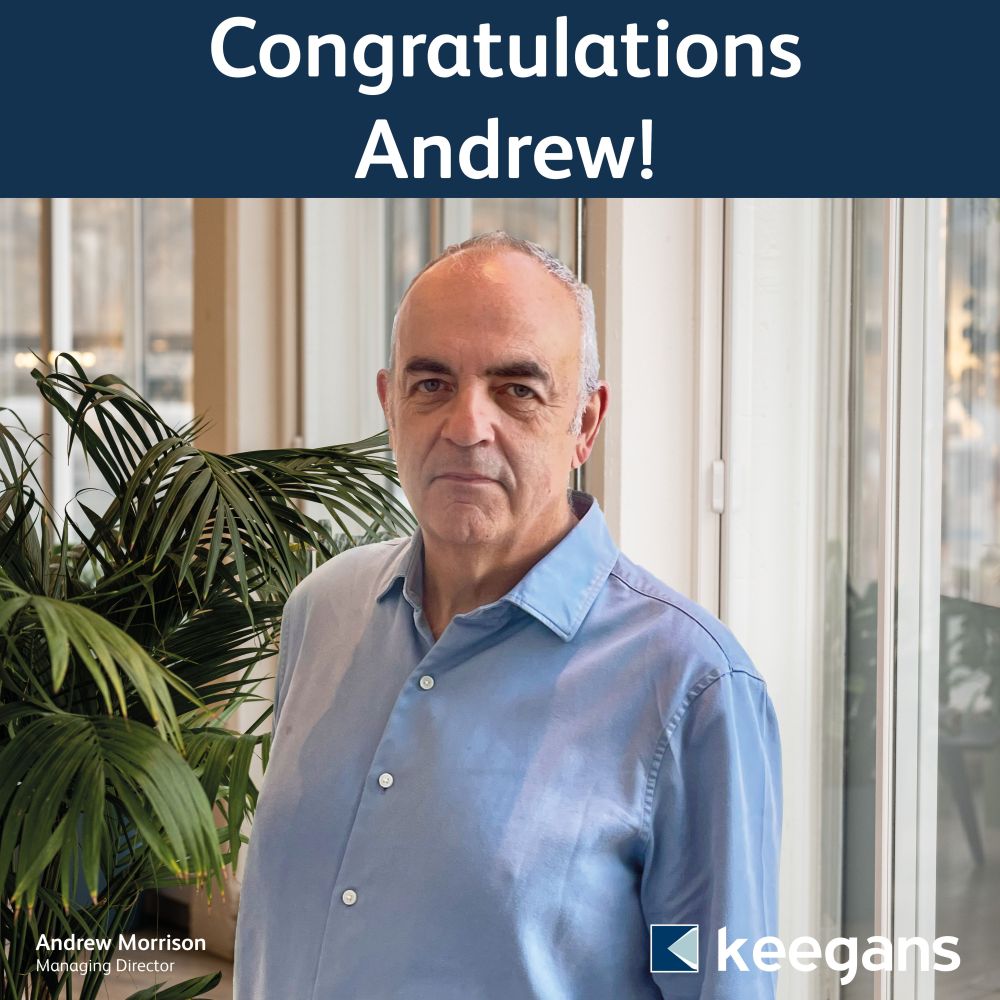
Keegans Managing Director Andrew Shortlisted for Fire Safety Professional of the YearA well-deserved recognition of Andrew Morrison’s leadership and commitment to advancing fire safety standards

02.03.2026
Jonathan Walker Achieves Two New Fire Qualifications!We are proud to share that Keegans’ Jonathan Walker, Associate Fire Risk Assessor, has achieved both the ABBE Level 4 Diploma in Fire Risk Assessment and the IFE Level 3 Certificate in Fire Safety
Get in touch
Thank you for getting in touch. We will be in contact shortly.